ASL Meaning in Text: What It Means and How to Use It
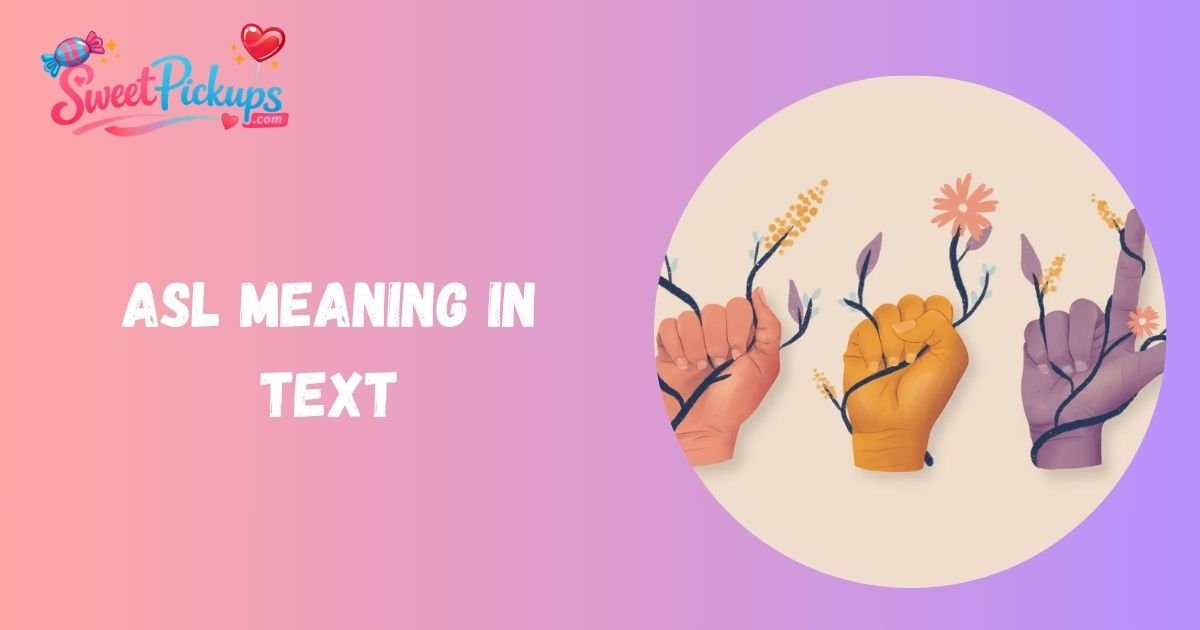
The American Sign Language (ASL) community relies on written communication just as much as spoken-language users do. In this article, we will explore the ASL Meaning in Text, unveiling how this vibrant language transcends the barriers of traditional communication.
Understanding ASL in its textual form is crucial for anyone looking to deepen their appreciation for this expressive language and foster better communication with the Deaf community. The ASL meaning in text can often feel just as complex, yet it holds significant importance in bridging gaps between cultures.
This article uncovers the intricacies of incorporating ASL in written communication, revealing ways it enriches interactions and fosters understanding. By the end, you’ll gain insights into both the challenges and advantages of embracing ASL in text.
Origin of ASL
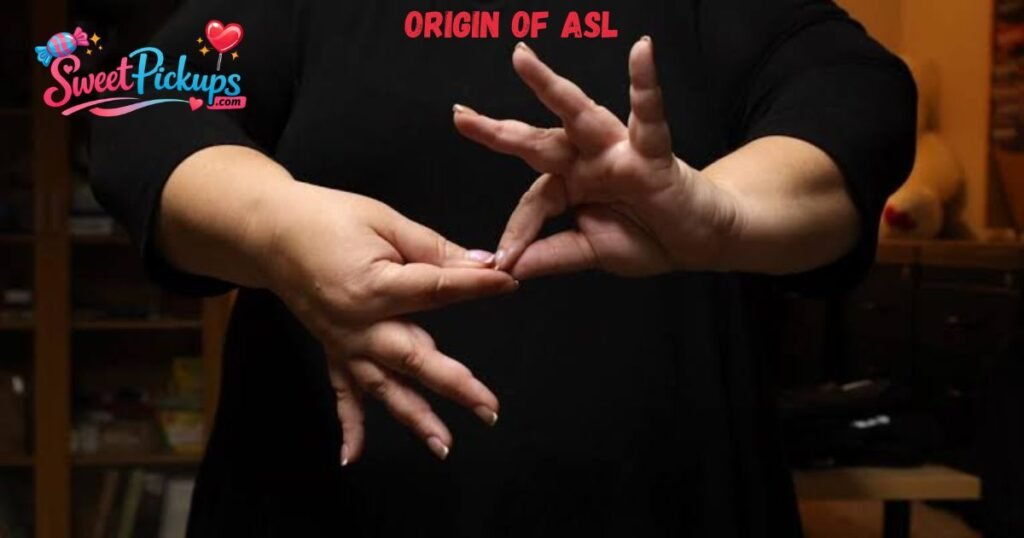
American Sign Language (ASL) has its roots deeply embedded in a blend of historical influences, particularly from French Sign Language (LSF) and local sign varieties used by deaf communities in America. In the early 19th century, influential figures like Thomas Gallaudet and Laurent Clerc played pivotal roles in shaping ASL by establishing the first formal school for the deaf in the U.S.
This blending of languages not only birthed a unique form of communication but also a rich cultural identity for the deaf community. The emergence of social media platforms has significantly transformed ASL’s evolution. Users are increasingly sharing ASL content, creating viral trends that bring the language into the mainstream.
This digital exposure has reshaped ASL meaning in text, fostering a greater appreciation and understanding of the language among wider audiences, while also prompting discussions about the representation and authenticity of sign language in online spaces. The ability to use platforms like TikTok and Instagram allows signers to express creativity, share stories, and raise awareness, ensuring that ASL continues to grow and adapt in the modern age.
ASL Meaning in Slang
ASL meaning in text not only showcases the creativity of language but also highlights how slang evolves in digital communication. When teenagers drop “ASL” in conversation, they’re expressing something beyond the ordinary — it’s a way to emphasize intensity. When someone says,
“That was ASL funny,” they’re not just giving a thumbs-up; they’re suggesting it was hilariously over the top, leaving no room for subtlety. This playful use of ASL taps into the broader trend of linguistic shortcuts popular among younger generations.
By transforming a simple acronym into an expressive phrase, it captures the essence of modern communication: quick, impactful, and often layered with meaning. When sharing a wild experience or laughing about a recent mishap, ASL serves as a linguistic badge that identifies the speaker as in-the-know, part of a community that thrives on shared expressions and cultural references.
ASL Meaning in Text
In the dynamic landscape of online communication, the ASL meaning in text has evolved to serve as a digital icebreaker. When delving into the world of chatting, especially in casual contexts, users often deploy “ASL” as an efficient shorthand for “Age/Sex/Location.”
This trio of queries facilitates a swift personal connection, allowing individuals to gauge compatibility and establish a foundation for deeper conversation. The popularity of ASL transcends mere curiosity; it reflects our innate desire to understand the social fabric of those we interact with online.
In an age where anonymity reigns supreme, knowing someone’s basic demographic information can foster an atmosphere of trust and openness. It’s essential to approach these questions with sensitivity, recognizing that not everyone may feel comfortable sharing such details, especially in an unsolicited context.
ASL on Snapchat
ASL, or “Age, Sex, Location,” has become a staple in digital communication, especially among teens on Snapchat. This phrase allows users to quickly signify their identity without getting bogged down in details, making it a perfect fit for the platform’s fast-paced vibe.
A simple “ASL?” can kick off a conversation, allowing for immediate connection or small talk that helps break the ice. What’s fascinating about ASL usage in texting is how it reflects the evolving dynamics of friendship and social interaction among young people.
In an era where authenticity is prized, simple abbreviations like ASL can foster a sense of intimacy. It’s as if users are saying, “I get it; let’s keep it straightforward and relatable.” This shorthand not only speeds up conversations but also creates a shared language that enhances community among friends as they navigate their identities in a digital landscape.
How to Respond to the ASL Abbreviation?
When you encounter the ASL abbreviation in text, it’s essential to understand the context to respond effectively. The ASL meaning in text often refers to “Age, Sex, Location,” typically used in online chats or dating scenarios.
If you feel comfortable sharing, providing an affirmative response can foster connection and dialogue. Sharing your age and location can establish common ground, opening the door for more personal discussions.
If the conversation feels too invasive or you’re simply not ready to divulge that information, it’s perfectly acceptable to deny or sidestep the question. You might say something like, “I prefer to keep that private for now,” which respects your boundaries while still maintaining a friendly tone.
Cultural Context: ASL’s Role in Digital Communication
In the realm of digital communication, the abbreviation “ASL” (meaning age, sex, location) emerges as an intriguing social tool that transcends its straightforward definition. It served to break the ice between users in online chatrooms, prompting discussions that often lead to deeper exchanges and connections.
In a text-based medium where visual cues are limited, ASL carries an implicit invitation to share personal anecdotes, encouraging participants to reveal layers of their identities beyond mere statistics. ASL enhances the nuances of digital conversations by bridging gaps between users from diverse backgrounds.
It cultivates an atmosphere of openness, allowing individuals to engage in dialogue that reflects not just their demographics but also their cultural contexts. This simple acronym fosters an environment where authenticity can flourish, prompting users to bond over shared experiences or contrasting opinions.
Is ASL Safe for Kids to Use in Text Messages?
While the ASL meaning in text refers to “age, sex, location,” using this acronym poses significant risks for kids chatting online. Unsuspecting teens may not realize that sharing personal information can make them vulnerable to predators.
In a digital landscape where anonymity reigns, disclosing details that might seem innocent can attract unwanted attention from individuals with harmful intentions. Young people might adopt a casual attitude towards using ASL, overlooking the potential dangers.
As the line between social interaction and safety blurs, it’s crucial for parents to educate their children about the implications of sharing such information. Encouraging open dialogues about online safety can empower kids to navigate social platforms more cautiously.
You may also read: What does PMO mean in Text? What It Really Means 2026
Conclusion
ASL Meaning in Text not only enriches our communication but also bridges the gap between different linguistic communities. As we’ve explored, ASL transcends traditional spoken language, offering a unique and expressive way to convey thoughts and emotions.
FAQs
What does ASL mean in text?
ASL most commonly stands for Age, Sex, Location in text messages and online chats. People use it to quickly ask for basic information about someone they are talking to.
What does ASL mean on Snapchat?
On Snapchat, ASL usually means Age, Sex, Location, especially when meeting new people. In some conversations, it can also mean “As Hell” as slang, depending on the context.
What does ASL mean on TikTok?
On TikTok, ASL often has two meanings:
Age, Sex, Location in comments or messages.
As Hell, used to emphasize something, such as “funny asl” or “tired asl.”